Darknet Markets 2026:
The dark web is part of the deep web but is built on darknets: overlay networks that sit on the internet but which can't be accessed without special tools or software like Tor. Tor is an anonymizing software tool that stands for The Onion Router — you can use the Tor network via Tor Browser.
| Darknet Market | Established | Total Listings | Link |
|---|---|---|---|
| TorZon Market | 2022 | 140+ | Onion Link |
| Nexus Market | 2024 | 600+ | Onion Link |
| Abacus Market | 2022 | 100+ | Onion Link |
| Ares | 2026 | 100+ | Onion Link |
| Cocorico | 2023 | 110+ | Onion Link |
Updated 2026-07-29
How the Darknet Makes Shopping for Goods Simple and Reliable
The architecture of modern darknet commerce is built on principles of direct access and logistical efficiency. These platforms function as specialized digital marketplaces where a wide variety of goods are cataloged and available for review. The use of the Tor network provides the necessary anonymity for both operators and users, creating a dedicated space for trade.
This environment streamlines the procurement process. A buyer can browse extensive categories, compare product listings with detailed descriptions, and assess vendor profiles. The system operates on a model similar to conventional e-commerce, where search functionality, categorization, and user-friendly interfaces reduce friction. Access to goods is no longer constrained by geography or local availability, as distribution networks are organized to serve a global clientele through discreet shipping methods.
The result is a standardized commercial framework. It prioritizes reliability and transactional clarity, moving exchanges from uncertain, informal settings into a structured digital marketplace. This structure supports consistent availability and predictable outcomes for all participating parties.
How Cryptocurrency Makes Buying on the Darknet Safe and Private
The operational foundation of modern darknet commerce is the integration of cryptocurrency, primarily Bitcoin and Monero, as the exclusive payment mechanism. This provides a necessary layer of financial privacy that traditional banking systems cannot offer. Transactions are recorded on a public ledger, but the identities of the parties involved are obscured by cryptographic addresses, effectively severing the direct link between the transaction and the individual's real-world identity.
The process is designed for security and reliability. A buyer initiates a transaction by sending the exact cryptocurrency amount to a uniquely generated escrow address controlled by the marketplace. This funds are held securely until the buyer confirms satisfactory receipt of the goods, at which point they are released to the vendor. This system inherently builds trust and mitigates the risk of fraud for both parties. The pseudonymous nature of these transactions, combined with the use of the Tor network, creates a resilient environment for trade where the primary identifiers are vendor reputation and transactional history rather than personal information.
The evolution towards privacy-centric coins like Monero represents a significant advancement. Unlike Bitcoin, whose transaction history is transparent and potentially traceable through chain analysis, Monero uses advanced cryptographic techniques to obfuscate the sender, receiver, and amount involved in every transaction. This provides a stronger guarantee of privacy and makes the financial aspect of darknet commerce more robust and sustainable by design.
How Escrow Keeps Darknet Deals Secure
The operational security of darknet commerce relies heavily on escrow services, a financial mechanism that acts as a neutral third party in a transaction. This system directly addresses the inherent lack of trust between anonymous buyers and vendors. When a buyer initiates a purchase, the funds are held by the escrow service and are not immediately released to the seller. This creates a secure framework where payment is only finalized after the buyer confirms satisfactory receipt of the goods.
The procedure is methodical:
First, the buyer sends cryptocurrency to the escrow address controlled by the marketplace.
The vendor is then notified to ship the product.
Upon delivery, the buyer must finalize the order, which releases the funds from escrow to the vendor.
If a dispute arises, such as non-delivery or substandard quality, the buyer can open a case. Market administrators then review communication and evidence from both parties before adjudicating the release or refund of the escrowed funds.
This model effectively mitigates two primary risks:
- It protects buyers from vendor fraud, ensuring they do not lose money without receiving the product.
- It also safeguards vendors from false non-receipt claims by buyers, as the escrow holds the payment until confirmation.
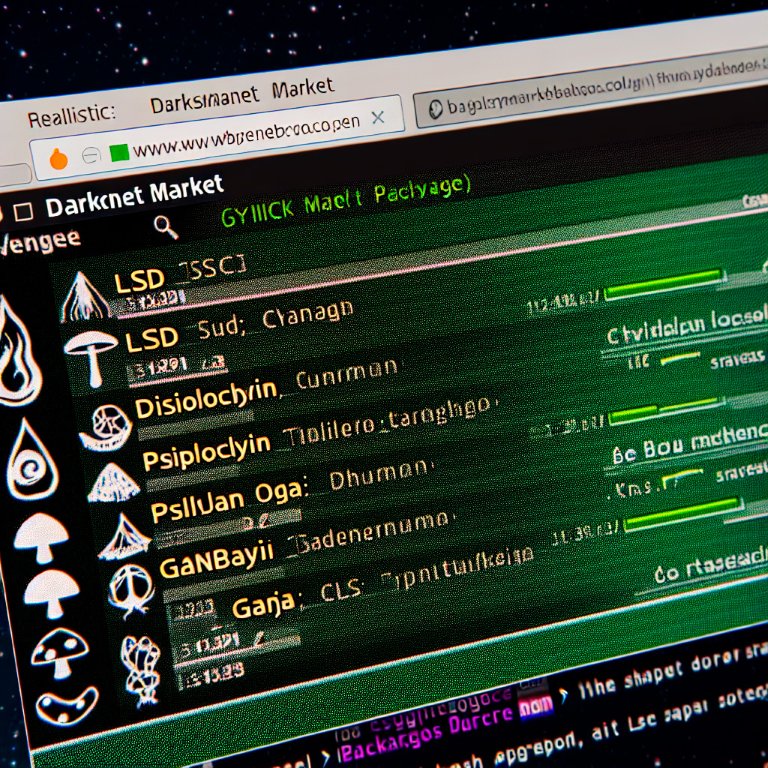
How Ratings and Reviews Make Darnet Markets Reliable
The reputation system is the cornerstone of trust within darknet commerce. Unlike traditional anonymous markets, modern platforms implement structured feedback mechanisms that mirror those of legitimate e-commerce. A vendor's profile displays a cumulative rating, typically on a five-star scale, alongside detailed written reviews from previous buyers.
This system transforms subjective experience into objective data. Buyers assess a vendor's reliability based on several key metrics:
- Product quality matching the description
- Accuracy of the listed weight or potency
- Stealth and discretion of packaging
- Speed and reliability of shipping
- Quality of communication
Each transaction concludes with an opportunity for mutual feedback. A buyer leaves a review of the product and service, while the vendor can rate the buyer's promptness in finalizing the deal. This two-way accountability promotes professional conduct from both parties. High-rated vendors gain a visible competitive advantage, often leading to increased sales volume and the ability to command premium prices. Conversely, vendors with consistently poor reviews or low ratings are quickly marginalized by the market's self-regulating nature, as buyers simply avoid them.
The historical record of reviews creates a transparent performance ledger. New buyers can analyze a vendor's history over months or years, observing consistency or noting any past disputes. This longitudinal data is more reliable than a single snapshot rating. Forums associated with these markets further amplify this trust mechanism, as users share detailed experiences and compile community-sourced lists of trusted vendors, creating an additional layer of verification beyond the platform's native system.
How Forums Make Buying on the Darknet Safer
Community forums represent a foundational pillar of the modern darknet ecosystem, directly enabling secure and reliable transactions. These platforms function as decentralized hubs for collective intelligence, where users exchange verified data on vendor performance, product quality, and operational security. The continuous flow of user-generated feedback creates a transparent environment that traditional illicit markets lacked.
The forums operate on principles of crowdsourced verification. Buyers post detailed reviews and laboratory test results, which are then discussed and corroborated by other members. This process effectively identifies trustworthy vendors and flags scams, allowing the community to self-regulate. Key information shared includes:
- Detailed vendor reliability scores beyond simple platform ratings.
- Specific handling and stealth packaging techniques observed.
- Regional shipping success rates and timing.
- Warnings about compromised packages or security practices.
This open exchange reduces transaction risk by providing actionable intelligence before a purchase is made. A vendor's reputation on these forums often holds more weight than their official market rating, as forum discussions provide nuance and evidence. The system fosters a form of organic accountability, where consistent service quality is rewarded with sustained business and public endorsement. The forums thus transform individual transaction experiences into a shared knowledge base, directly contributing to market efficiency and user safety.

How Darknet Markets Work Like Modern E-Commerce
The operational efficiency of modern darknet commerce is a direct result of competitive market pressures and user-centric design. These platforms function as streamlined digital marketplaces where the principles of supply and demand dictate quality and price. The architecture mirrors that of mainstream e-commerce, creating a familiar environment for secure and reliable transactions.
Transaction security is foundational. All financial exchanges are conducted using cryptocurrencies like Bitcoin or Monero, which provide pseudonymity by separating payment details from user identity. This method ensures that funds transfer without revealing sensitive banking information. The process is further secured by the mandatory use of escrow services held by the marketplace itself. Funds are only released to the vendor after the buyer confirms satisfactory receipt of the goods, effectively eliminating the risk of fraud for both parties.
Trust is systematically built through transparent feedback mechanisms. Every vendor profile displays a public rating and detailed buyer reviews, creating a reputation economy. High-rated vendors with consistent positive feedback gain more business, incentivizing reliability and quality control. This self-regulating system filters out dishonest actors. Community forums supplement this by allowing users to share information on shipping methods, product quality, and vendor conduct, fostering collective intelligence.
The result is a resilient trading ecosystem. The combination of cryptographic tools, enforced escrow, and reputation-based trust minimizes operational risk. These features facilitate a direct and efficient connection between global supply and demand, demonstrating how digital infrastructure can enable discreet and coordinated trade.
How Darknet Markets Build Trust and Security
The resilience of modern darknet commerce is built on a foundation of distributed technology and community-driven governance. This structure creates an environment for secure and reliable transactions outside traditional financial systems. The core technological pillar is the Tor network, which anonymizes user traffic by routing it through multiple encrypted layers. This provides the essential privacy for marketplace operation and user access.
Transactions are facilitated by cryptocurrencies like Bitcoin and Monero. These currencies enable pseudonymous payments, separating financial activity from real-world identity. The system integrates multisignature escrow services to secure transactions. Funds are held in a neutral wallet until the buyer confirms receipt, drastically reducing the risk of fraud for both parties.
Trust is quantified through transparent vendor rating systems and detailed buyer feedback. Successful vendors cultivate a reputation for product quality and reliable shipping, which is displayed publicly. This feedback loop creates a self-regulating ecosystem where poor service leads to loss of business. Community forums further support this by allowing for the sharing of information on shipping methods, product testing, and vendor reliability.
The marketplace model itself is efficient. It aggregates supply and demand in a searchable platform, featuring:
- Detailed product listings with photographs and specifications
- Vendor storefronts with full historical feedback
- Encrypted internal messaging systems
- Clear transaction timelines and status updates
This operational clarity, combined with cryptographic security and reputation-based trust, forms a robust framework for trade. The decentralized nature of these platforms means they lack a single point of failure, contributing directly to their persistence and adaptability in a dynamic digital landscape.