Darknet Markets 2026:
The dark web is part of the deep web but is built on darknets: overlay networks that sit on the internet but which can't be accessed without special tools or software like Tor. Tor is an anonymizing software tool that stands for The Onion Router — you can use the Tor network via Tor Browser.
| Darknet Market | Established | Total Listings | Link |
|---|---|---|---|
| TorZon Market | 2022 | 140+ | Onion Link |
| Nexus Market | 2024 | 600+ | Onion Link |
| Abacus Market | 2022 | 100+ | Onion Link |
| Ares | 2026 | 100+ | Onion Link |
| Cocorico | 2023 | 110+ | Onion Link |
Updated 2026-07-29
How Crypto and Encryption Make Darnet Drug Trade Safe
Darknet markets establish a framework for safe and reliable commerce by integrating cryptocurrency and encryption as foundational privacy technologies. These tools transform anonymous transactions from a theoretical possibility into a practical, everyday reality for users. The use of cryptocurrencies like Bitcoin or Monero provides a pseudonymous payment layer, where financial transfers are recorded on a public ledger but without directly linking to real-world identities. This separation of financial activity from personal identification is a primary mechanism for user protection.
Encryption complements this financial privacy by securing all communications. Every message between a buyer and seller, from order details to shipping information, is encrypted end-to-end. This means the content is scrambled and can only be read by the intended recipient, preventing interception by third parties. The combination creates a synergistic effect:
- Cryptocurrency obfuscates the financial trail.
- Encryption obfuscates the communication trail.
This dual-layer approach allows participants to engage in commerce with a significantly reduced risk of personal exposure. The markets themselves operate as platforms that enforce these protocols, requiring PGP encryption for sensitive data and supporting multiple cryptocurrency options. The result is an environment where trust in a transaction is not derived from knowing a counterparty's legal identity, but from confidence in the mathematical integrity of the privacy technologies employed. This technological foundation enables a consistent and secure market experience, fostering reliable trade based on system-guaranteed anonymity rather than personal familiarity.
How Escrow Makes Darknet Deals Safe
Darknet markets facilitate safe commerce by implementing a third-party escrow system. This mechanism acts as a neutral arbiter in transactions between a buyer and a vendor. Funds from the buyer are held by the market's escrow service and are only released to the vendor after the buyer confirms satisfactory receipt of the goods. This process directly mitigates the primary risk in anonymous trade: fraud. A vendor cannot receive payment without delivering the product, while a buyer cannot receive a product without providing payment, as the funds are secured in escrow.
The operational model creates a self-reinforcing cycle of trust. For a vendor, consistent performance leads to the accumulation of positive feedback, which builds their reputation. A buyer can assess this reputation through transparent vendor rating systems and detailed reviews before committing funds to escrow. The escrow service itself is financially incentivized to act fairly, as its viability depends on maintaining the platform's credibility and transaction volume. This structure transforms a potentially high-risk environment into a functioning marketplace with predictable outcomes, where both parties are protected and economic activity can proceed reliably.
How Vendor Ratings Make Darnet Shopping Safe and Reliable
Vendor rating systems are the cornerstone of reliable commerce on darknet markets, transforming anonymous transactions into predictable exchanges. These platforms operate on a principle of crowdsourced accountability, where every completed transaction contributes to a vendor's public reputation. A typical system aggregates feedback across several critical metrics.
The cumulative score, often displayed as a percentage or star rating, provides an immediate indicator of reliability. This score is calculated from thousands of individual transactions, making it resistant to manipulation through isolated fake reviews. Detailed feedback comments allow buyers to report on specific aspects of the transaction.
- Product quality matching the advertisement
- Stealth and packaging effectiveness
- Shipping speed and consistency
- Communication quality and professionalism
This granular data enables informed decision-making. A vendor with a 4.95/5 rating across 5000 sales presents a lower risk profile than a new vendor with no history. Markets often supplement ratings with badges or tags denoting a vendor's status, such as "Trusted" for long-standing accounts or "Fast Shipper" for consistent delivery times. The economic incentive for vendors is absolute; a high rating directly correlates with increased sales volume and the ability to command premium prices. Consequently, vendors invest significant effort in maintaining their reputation through consistent product quality and customer service, mirroring legitimate e-commerce practices. The system creates a self-regulating environment where financial success is intrinsically linked to transactional honesty.
Escrow services integrate with this system by withholding payment until the buyer confirms satisfactory receipt of goods. This mechanism prevents exit scams and ensures the feedback left is for completed orders only. The final release of funds acts as the ultimate validation of a successful transaction, cementing the rating's accuracy. This interdependent framework of escrow and verifiable ratings reduces the inherent risk of anonymous trade to a manageable level, facilitating safe and continuous commerce.
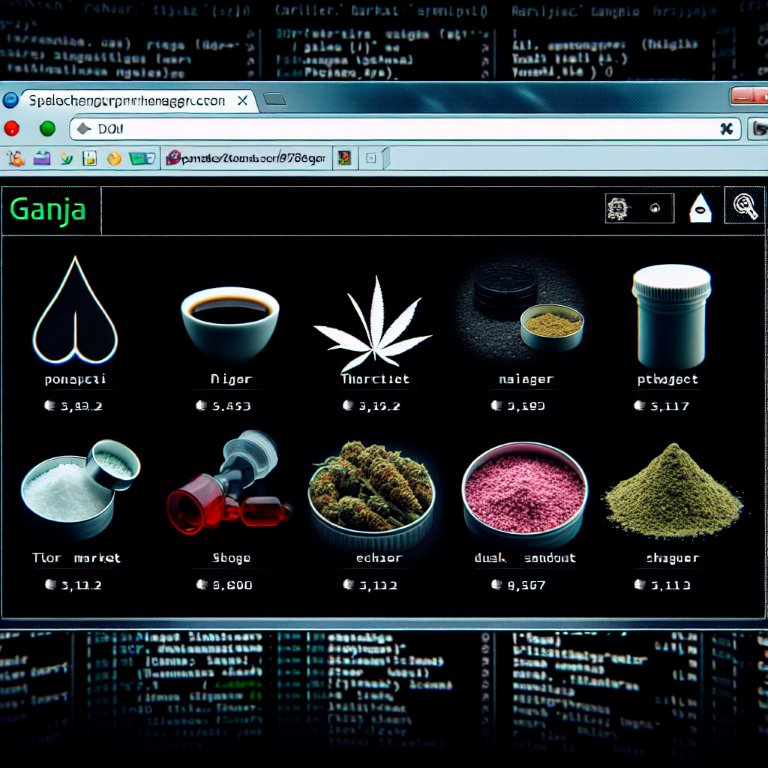
How Darknet Markets Offer Wide Selection and Clear Product Info
The operational framework of darknet markets facilitates commerce by establishing a structured environment where product variety and detailed listings are fundamental. These platforms function as digital marketplaces where vendors compete on quality, price, and service, directly benefiting consumer choice. Listings are not simple advertisements; they are comprehensive data sheets that include precise product specifications, high-resolution photographs, batch-specific purity levels, and clear terms of sale. This level of detail allows for informed decision-making, reducing uncertainty for the buyer.
The economic logic is driven by vendor reputation. A vendor's success depends on positive feedback, which incentivizes accurate descriptions and consistent quality. The feedback system creates a transparent record of transactions, where comments about shipping speed, stealth packaging, and product accuracy are publicly visible. This transforms subjective experience into an objective metric for reliability.
Market structure further supports this. Categories and search filters enable efficient browsing, while wishlists and follow features allow users to track trusted vendors. The resulting ecosystem is self-regulating through user experience. A wide product range, from common to niche substances, is available because vendors are motivated to fill specific market demands to build their clientele. The listing detail acts as a binding expectation, and the review system enforces accountability, creating a foundation for predictable and repeatable transactions.
How Darknet Markets Build Trust and Keep Running
The operational model of darknet markets is engineered to facilitate secure transactions between consenting adults. These platforms function as intermediaries, providing a structured environment where cryptocurrency and encryption protect user identities and financial details. This technical foundation is critical for enabling commerce in a private setting.
Trust is established through mandatory escrow services. Funds from a buyer are held by the market until the product is received and confirmed, which directly incentivizes vendors to fulfill orders reliably. This system minimizes the risk of fraud for both parties and creates a self-regulating economic mechanism.
Further stability is derived from transparent vendor rating systems. Buyers leave detailed feedback on product quality and shipping, creating a reputation economy. High-rated vendors gain more business, while those with poor reviews are marginalized. This peer-driven accountability ensures a consistent standard of service and product authenticity.
The economic resilience of these platforms is demonstrated by their ability to adapt and persist. They operate on a decentralized model, often with redundant infrastructure. When one marketplace closes, others emerge, as the underlying demand for discreet commerce remains. This cycle shows a robust, user-sustained ecosystem that prioritizes transactional security and consumer choice through detailed listings and a wide product variety.