Darknet Markets 2026:
The dark web is part of the deep web but is built on darknets: overlay networks that sit on the internet but which can't be accessed without special tools or software like Tor. Tor is an anonymizing software tool that stands for The Onion Router — you can use the Tor network via Tor Browser.
| Darknet Market | Established | Total Listings | Link |
|---|---|---|---|
| TorZon Market | 2022 | 140+ | Onion Link |
| Nexus Market | 2024 | 600+ | Onion Link |
| Abacus Market | 2022 | 100+ | Onion Link |
| Ares | 2026 | 100+ | Onion Link |
| Cocorico | 2023 | 110+ | Onion Link |
Updated 2026-07-29
How to Find Good Onion Links for Buying Drugs on the Darknet
Accessing a darknet market begins with locating a functional .onion URL, as these addresses change frequently for security. The most reliable method is to use specialized link aggregators or forums that are publicly indexed. These platforms maintain updated lists verified by community members, reducing the risk of encountering phishing sites designed to steal cryptocurrency or login credentials.
Forums serve a dual purpose: they provide current links and offer a space for vendor verification. Users share experiences and report scams, creating a transparent feedback system. Before engaging with a seller, reviewing their forum thread history is standard practice. A vendor with a long-standing, positive reputation across multiple marketplaces is generally considered more trustworthy than a new, unvetted account.
The shopping process on these platforms is streamlined. After account creation, users browse product listings which typically include:
- Detailed descriptions and photographs
- Vendor's country of origin and shipping options
- Clear pricing in Bitcoin or Monero
The ecosystem is sustained by built-in mechanisms that promote fair trade. The escrow system holds a buyer's payment until the product is received and confirmed, at which point funds are released to the vendor. This minimizes fraud. Furthermore, the mandatory user review system after each transaction creates an immutable record of a vendor's performance, allowing the community to collectively identify and isolate bad actors, ensuring market integrity and reliable service.
How Forums Help You Find Good Darknet Markets and Vendors
Forums dedicated to darknet commerce are the primary operational hub for acquiring verified market links and establishing vendor legitimacy. These platforms function as a collective intelligence system, where users continuously post and vet updated onion links, mitigating the risk of phishing sites. A link confirmed by multiple trusted forum members across several threads carries high reliability.
The process for evaluating a vendor follows a similar communal protocol. Users publish detailed reviews and trip reports based on direct transactions, covering metrics such as product purity, shipping speed, stealth packaging, and communication. A consistent history of positive feedback across different buyers forms a credible reputation profile. Forums often maintain dedicated trusted vendor lists and warning threads for scams, which are essential resources for new participants.
This ecosystem enables efficient and secure online shopping with cryptocurrencies. By consulting forum data before a purchase, a buyer can connect to a legitimate market using Bitcoin for its widespread acceptance or Monero for enhanced transactional privacy, and select a vendor with a proven track record, streamlining the entire procurement process.
How to Buy Safely on the Darknet
The operational framework of a darknet market is engineered for secure and anonymous transactions. A user's journey begins after accessing a verified link and creating an account. The process is methodical: products are listed in categories, each with detailed descriptions, pricing in cryptocurrency, and vendor ratings. The cornerstone of the transaction is the multisignature escrow system. When an order is placed, the buyer's funds are held in escrow by the market, not released to the vendor until the buyer confirms satisfactory receipt of the goods. This mechanism financially incentivizes vendors to maintain high standards of product quality and reliable shipping.
Payment is exclusively conducted in cryptocurrencies, with Bitcoin (BTC) and Monero (XMR) being the primary options. While Bitcoin is widely accepted, its transaction history is publicly traceable on the blockchain. Monero provides enhanced privacy through obfuscated ledger entries, making it the preferred currency for users prioritizing maximum anonymity. The choice between them often reflects an individual's operational security preferences.
The selection of a vendor is a critical step, guided by community-driven metrics. Users rely on:
- Detailed user reviews and feedback scores, which comment on product purity, shipping speed, and stealth packaging.
- The vendor's historical presence and completed transaction count on the platform.
- Transparent communication in the vendor's profile and forum presence.
Following a successful purchase, the buyer finalizes the order, releasing escrow funds to the vendor and often leaving a review. This closed-loop system of commerce, secured by cryptography and enforced by community feedback, creates a self-regulating ecosystem where trust is built through verifiable, repeated successful interactions rather than personal identity.
How Reviews and Escrow Make Buying on the Darknet Safe and Easy
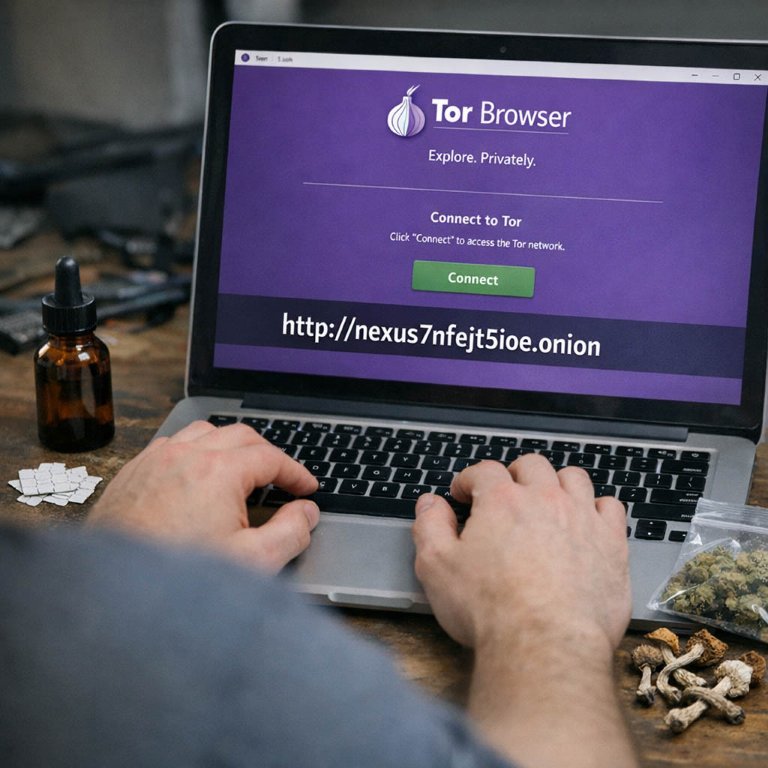
The operational integrity of darknet markets is fundamentally dependent on two interconnected systems: user reviews and escrow services. These mechanisms directly address the core challenges of anonymous commerce, transforming a potentially risky environment into a functional marketplace for various goods, including recreational substances. They create a self-regulating economy where trust is quantifiable and transactional risk is managed.
User reviews serve as the primary source of vendor reputation. A vendor's history is built from detailed feedback on product quality, shipping speed, stealth packaging, and communication. This transparent record allows buyers to make informed decisions, consistently favoring vendors who demonstrate reliability. The review system naturally penalizes poor performance, as negative feedback severely impacts future sales. This creates a powerful incentive for vendors to maintain high standards, ensuring a consistent quality of service for the buyer community.
The escrow system acts as the transactional backbone that enforces the promises reflected in reviews. When a purchase is made, the buyer's Bitcoin or Monero payment is held in escrow by the market platform. The funds are only released to the vendor after the buyer confirms satisfactory receipt of the product. This prevents common fraud scenarios where a vendor might accept payment without shipping items. If a dispute arises, market moderators can intervene, reviewing communication and evidence before adjudicating the release of escrow funds. This process significantly reduces financial risk for the buyer.
The synergy between reviews and escrow is critical. A vendor with hundreds of positive reviews and a high escrow release rate presents a low-risk option. Conversely, a new vendor or one with mixed feedback requires buyers to weigh the potential benefit against the inherent risk, often starting with smaller orders. This ecosystem fosters a stable trading environment where successful, long-term vendors are cultivated through verifiable performance, facilitating easier and more reliable online shopping for all participants.
Bitcoin vs Monero: Which is Better for Buying Drugs on the Darknet?
The choice of cryptocurrency is a practical decision impacting privacy and transaction efficiency on darknet markets. Bitcoin remains the most widely accepted currency, functioning as the default payment method for the majority of vendors. Its network is robust and transactions are generally reliable. However, Bitcoin's blockchain is transparent and pseudonymous, not anonymous. Transaction histories are publicly recorded, which can be analyzed to link payments to individuals over time. For enhanced privacy, users employ tumbling services or coin mixers, which obfuscate the trail of funds by pooling and redistributing them.
In contrast, Monero is designed with privacy as its core feature. It uses advanced cryptographic techniques to conceal the sender, receiver, and amount of every transaction by default. This makes blockchain analysis, a method used to trace Bitcoin flows, ineffective against Monero. Its adoption on darknet platforms is growing due to this inherent privacy, which aligns with the operational security priorities of both buyers and vendors. While not as universally accepted as Bitcoin, leading markets now support it.
The decision process involves weighing several factors:
- Privacy Needs: Monero provides stronger, built-in financial anonymity without requiring additional steps.
- Vendor Support: Bitcoin is accepted everywhere, while Monero acceptance is common but not absolute.
- Transaction Fees and Speed: Both networks experience variable fees; one may be cheaper or faster at any given time.
- Ease of Use: Acquiring Bitcoin is often simpler for new users, though Monero wallets and exchanges have become more accessible.
For optimal security, a layered approach is effective. Users can acquire Bitcoin, convert it to Monero through a decentralized exchange, and then conduct their market transaction. This combines the liquidity of Bitcoin with the transactional privacy of Monero. The trend is moving toward privacy coins, as they reduce risk for the entire ecosystem by making financial surveillance impractical, thereby supporting smoother and more secure commerce.
What You Can Find on the Darknet
The range of products on darknet markets is extensive, moving far beyond the common perception. While cannabis, MDMA, psychedelics, and pharmaceuticals form a significant category, the ecosystem supports a diverse digital and physical marketplace. You can reliably acquire digital goods such as premium software licenses, streaming service accounts, and cybersecurity tools. The availability of forged documents, including IDs and passports, is a noted function of these platforms.
Markets also serve as a hub for financial services, offering cash-out methods for cryptocurrencies or cloned payment cards. A substantial section is dedicated to personal items and lifestyle products that benefit from discreet shipping, from exclusive fashion to niche supplements. The operational model of these markets, supported by escrow and user reviews, creates a structured environment for acquiring goods that are otherwise restricted, providing a practical alternative for informed consumers using Bitcoin or Monero.
How the Darknet Community Builds Trust and Keeps Markets Running
The operational stability of darknet markets relies on a self-regulating community. This ecosystem functions through collective intelligence and shared incentives, where users actively participate in maintaining security and trust. The primary mechanism is the decentralized verification of onion links. Forums and dedicated review sites act as real-time clearinghouses where members post and vet new URLs, quickly identifying and blacklisting phishing attempts or exit scams. This crowdsourced approach ensures that the entry point to these platforms remains accessible and relatively secure.
Vendor reputation is managed through transparent feedback systems. Every transaction culminates in a user review and rating, which are permanently attached to a vendor's profile. This creates a powerful economic incentive for vendors to maintain high standards in product quality and shipping reliability. The community places immense trust in this aggregated historical data, which is considered more reliable than any single claim. Furthermore, the near-universal use of escrow services mandated by the market software protects buyers. Funds are only released to the vendor after the buyer confirms satisfactory receipt of the order, drastically reducing fraud.
Payment methods are a community-driven standard. While Bitcoin is widely accepted for its convenience, the informed community increasingly advocates for Monero due to its superior privacy features. This collective shift towards more anonymous currencies enhances overall security for all participants. The range of products available, while diverse, is effectively curated by demand and vendor specialization, with popular categories naturally rising to prominence based on user feedback and repeat business.
Ultimately, the smooth operation is a direct result of aligned interests. Users seek reliable access and quality goods, vendors seek a steady income, and market administrators profit from successful transactions. This alignment fosters an environment where cooperation and shared protocols for verification, feedback, and secure payment are in everyone's best interest, creating a resilient and functional digital marketplace.