Darknet Markets 2026:
The dark web is part of the deep web but is built on darknets: overlay networks that sit on the internet but which can't be accessed without special tools or software like Tor. Tor is an anonymizing software tool that stands for The Onion Router — you can use the Tor network via Tor Browser.
| Darknet Market | Established | Total Listings | Link |
|---|---|---|---|
| TorZon Market | 2022 | 140+ | Onion Link |
| Nexus Market | 2024 | 600+ | Onion Link |
| Abacus Market | 2022 | 100+ | Onion Link |
| Ares | 2026 | 100+ | Onion Link |
| Cocorico | 2023 | 110+ | Onion Link |
Updated 2026-07-29
How Darknet Markets Work Like Modern Online Shopping
Successful procurement on darknet marketplaces is a process built on established e-commerce principles adapted for privacy. The foundation is selecting a trusted vendor, which is facilitated by robust platform systems. A vendor's reputation score and detailed feedback history are direct metrics of reliability, reflecting consistent product quality and professional conduct. Transactions are secured by escrow services, where payment is held by the platform until the buyer confirms receipt, effectively eliminating the risk of fraud for both parties.
Financial privacy is achieved through secure crypto payments. Cryptocurrencies like Monero or Bitcoin provide pseudonymity, severing the direct link between a transaction and real-world identity. This method is integrated with the escrow system, ensuring funds are only released upon satisfactory completion. Communication throughout the process utilizes encrypted messaging, protecting the operational details of the order from interception.
Operational security extends to the user's own actions. Maintaining anonymity requires:
- Using the Tor browser to access marketplace .onion addresses.
- Employing layered encryption (PGP/GPG) for sensitive information like shipping details.
- Understanding that routing protocols within Tor obscure the user's network path.
This ecosystem creates a competitive environment where supply and demand set realistic prices, and vendor reputation acts as a self-regulating mechanism for quality control. The combined use of these featurestrust metrics, escrow, cryptocurrency, and encryptionforms a coherent framework for conducting secure and private transactions.
How Reviews and Community Feedback Keep Darknet Markets Reliable
The user review system is the cornerstone of quality control on darknet marketplaces. It functions as a decentralized and self-regulating mechanism where buyers provide detailed feedback on their purchases. This feedback typically includes ratings and written comments on the product's quality, purity, accurate weight, and the vendor's shipping speed and stealth. This collective intelligence creates a transparent environment where vendor claims are directly verified by the consumer base.
Community forums and dedicated discussion threads extend this system beyond simple ratings. Here, users engage in detailed analyses, post lab test results when available, and share experiences with specific batches. This ongoing dialogue creates a robust reputation score for each vendor, which is algorithmically displayed on their profile. A vendor with a high score and thousands of positive reviews has a demonstrated history of reliability, directly incentivizing honest business practices to maintain standing. The system effectively reduces uncertainty for new buyers, allowing them to make informed decisions based on peer verification rather than marketing.
The process is continuous and adaptive. A sudden influx of negative reviews alert the community to potential issues with a product or vendor, often faster than any centralized authority could react. This real-time feedback loop ensures that market dynamics favor vendors who consistently deliver as advertised, fostering a competitive environment where quality and service are the primary currencies for success.
How Escrow Makes Darnet Drug Deals Safe for Everyone
Escrow services form the transactional backbone of a functional darknet marketplace, directly enabling trust between anonymous parties. The mechanism is elegantly simple: when a buyer places an order, their cryptocurrency payment is held in a secure, marketplace-controlled escrow account. The funds are only released to the vendor after the buyer confirms successful receipt of the product. This system protects the buyer from vendor fraud, such as non-shipment or sending inferior products, as they can initiate a dispute and potentially recover their funds.
For vendors, escrow mitigates the risk of chargeback fraud common in traditional e-commerce. Once the buyer marks the order as received, the payment is secured. This mutual protection fosters a stable commercial environment where reputation, rather than coercion, dictates success. The process typically follows a clear sequence:
- Buyer submits payment into escrow, triggering vendor shipment.
- Buyer receives package and finalizes the order, releasing funds.
- If issues arise, a structured dispute resolution process begins, often mediated by marketplace moderators who review encrypted communication and evidence.
The effectiveness of escrow is intrinsically linked to the marketplace's own integrity, as it acts as the trusted third party. This financial framework, combined with vendor reputation scores, creates a self-regulating ecosystem where secure transactions are the norm, directly contributing to market reliability and consumer confidence.

Secure Messaging for Reliable Darknet Trade
Encrypted communication is the fundamental mechanism that enables private conversations on darknet marketplaces, transforming a simple transaction into a confidential exchange. This process relies on public-key cryptography, where each user possesses a unique key pair. A vendor's public key, often listed on their profile, is used by a buyer to scramble a message, which can then only be deciphered using the vendor's private key. This system ensures that even if message traffic is intercepted, the content remains secure and unreadable to third parties.
The practical application occurs within the marketplace's internal messaging system, which automatically handles this encryption. A buyer composes an order specification or a question, and the platform encrypts it before sending. For enhanced security, many experienced users employ end-to-end encryption (E2EE) tools like PGP (Pretty Good Privacy) externally, adding a personal layer of security that is independent of the marketplace's infrastructure. This method guarantees that only the intended recipient can ever read the message, mitigating risks should the platform itself be compromised.
The direct benefits for commerce are significant:
- It allows for the discreet negotiation of order details, special requests, or shipping arrangements without exposing operational security.
- It protects sensitive information such as addresses or specific product preferences, fostering a climate of trust necessary for repeat business.
- It facilitates the secure resolution of disputes through escrow services, as all communication regarding the transaction is verifiable and contained within a protected channel.
This encrypted environment supports the development of a reputational feedback loop. Secure conversations allow buyers to clarify product quality and vendors to provide after-sale support, which in turn generates the positive reviews that bolster a vendor's standing. The privacy afforded here is not merely a feature but the essential substrate for building the trusted relationships that define successful and sustainable darknet commerce.
How Cryptocurrency Keeps Darknet Purchases Private
The adoption of cryptocurrency is the foundational pillar for financial privacy on darknet marketplaces. Unlike traditional banking, cryptocurrencies like Bitcoin and Monero operate on decentralized networks, allowing for peer-to-peer value transfer without a central authority recording personal identities. This directly enables the discreet nature of transactions, separating financial activity from real-world identity.
Bitcoin, while pseudonymous, leaves a public ledger of transactions. To enhance privacy, markets and users employ techniques such as:
- Using intermediary wallets to break the chain of analysis.
- Utilizing built-in market tumbler services that pool and mix coins.
- Preferring privacy-centric coins like Monero, which uses ring signatures and stealth addresses to obfuscate transaction details by default.
The process is integrated into the marketplace escrow system. A buyer sends cryptocurrency to a market-controlled escrow address, where it is held until order completion. This mechanism ensures the seller is paid only after the buyer confirms receipt, building trust within an anonymous environment. The release of funds from escrow is a cryptographic process, not reliant on personal data, completing a transaction where financial privacy and transactional security are achieved simultaneously.
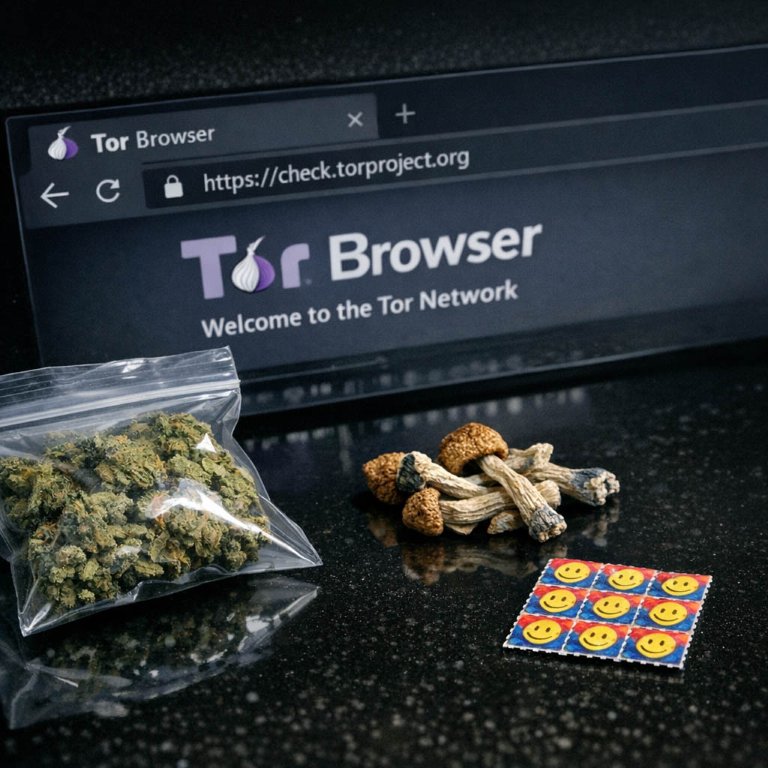
How supply and demand set fair prices on the darknet
The pricing mechanisms on darknet marketplaces function as a pure economic model, where supply and demand interact without traditional retail markups or geographical monopolies. This creates a highly competitive environment that directly benefits the consumer. A vendor with excess supply of a common substance, such as cannabis, must price aggressively to attract buyers, often leading to a race to the bottom on price for standardized products.
Conversely, rare or high-purity items command a premium due to scarcity and higher production costs. The transparent user review system further refines this model; a vendor with superior product quality or shipping reliability can justify higher prices, as the market recognizes and rewards this verified reputation. This feedback loop ensures that price often correlates directly with perceived and validated value.
The use of cryptocurrency facilitates this global market, allowing prices to adjust instantly to new vendors, supply shocks, or changes in consumer preference. The result is a dynamic pricing landscape where consumers can effectively compare options based on:
- real-time market rates,
- vendor reputation scores,
- and detailed product reviews,
How Vendor Reviews Make Buying on the Darknet Safer
On darknet marketplaces, the vendor reputation system functions as the primary mechanism for establishing trust and ensuring transactional reliability in an environment without formal legal recourse. This system transforms anonymous vendor profiles into transparent records of historical performance, allowing consumers to make informed choices based on collective community experience.
A vendor's reputation is quantitatively represented through a feedback score, typically a percentage derived from positive, neutral, and negative ratings left by previous buyers. This score is the most immediate indicator of reliability. Accompanying this numerical value are detailed textual reviews which provide qualitative context regarding:
- The precise quality and purity of the product received.
- The accuracy of the advertised weight or quantity.
- The speed and discretion of the shipping process.
- The professionalism and responsiveness of the vendor's communication.
This feedback loop creates a self-regulating ecosystem where vendors are financially incentivized to maintain high standards. A vendor with a long history of thousands of successful transactions and a feedback score above 95 is generally considered a low-risk choice. The system also mitigates fraud; a new vendor with no history presents a higher risk, which is often reflected in lower initial prices until they establish a credible record. For consumers, the practice involves cross-referencing a vendor's score with the content of recent reviews, paying particular attention to how the vendor resolves any rare disputes or negative reports, which is often more telling than a perfect unblemished record.

How Layered Encryption Makes Darknet Trade Safe and Private
Operational security on a darknet marketplace is a multi-layered process, with layered encryption serving as its technical foundation. This approach, often called the onion model, ensures that no single point of failure can compromise a user's identity or transaction details. The process begins with the user's connection itself, which is routed through a network of volunteer relays. Each relay decrypts only a single layer of instruction, revealing just the next hop in the network, never the complete path or the original source.
This routing is complemented by end-to-end encryption for all communications. When a buyer contacts a vendor, their messages are encrypted on their own device and can only be decrypted by the recipient's device. The marketplace server merely facilitates the transfer of this encrypted data without possessing the keys to read it. For financial privacy, cryptocurrency transactions add another essential layer. While the blockchain is public, the use of private wallets and optional mixing services dissociates the transaction from a real-world identity, creating a financial layer that aligns with the network's anonymity.
The practical outcome for the user is a secure environment where actions are separated from personal identifiers. A typical secure session involves:
- Connecting through the anonymizing network to access the marketplace.
- Using encrypted communication for all negotiations and support requests.
- Finalizing transactions with cryptocurrency from a private wallet.
How Anonymity Protocols Make Darknet Commerce Safe and Private
The foundation of secure access to darknet marketplaces is the routing protocol that anonymizes a user's connection. This system, most commonly The Onion Router (Tor), operates by encrypting and redirecting internet traffic through a series of volunteer-run servers called relays. Each relay decrypts only a single layer of encryption to reveal the next destination, similar to peeling an onion, without ever seeing the complete path or the user's original IP address.
This multi-layered encryption creates a separation between the user's physical location and their activity on the marketplace. The final relay in the circuit, the exit node, connects to the marketplace server, but that server only sees the IP address of the exit node, not the user. This process effectively anonymizes the network layer, making it exceptionally difficult to trace transactions or communications back to their source. For enhanced privacy, some users employ Virtual Private Networks (VPNs) in conjunction with Tor, adding an extra encryption layer before the traffic even enters the Tor network.
The practical effect for the consumer is a robust operational security environment. It allows for the discreet browsing of vendor shops, review analysis, and order placement with a significantly reduced risk of exposure. This technological infrastructure is not merely a feature but a prerequisite, enabling the entire ecosystem of private commerce and secure crypto payments to function by protecting the identities of all participating parties.